It’s the time of year you might want to clean some of your garden tools. Removing dirt and debris helps keep your storage area clean, and can even reduce the rust your tools develop! (If any at all)
Here is some practical advice for cleaning your valuable garden tools:
Remove the bulk of the dirt
Using a hose with a strong setting, or just a simple brush, this is where you remove the bulk of the contaminants. Don’t worry about getting tools wet, decent quality garden tools can tolerate a quick rinse and dry in the sun.
Dissolve the buildup
Depending on what you’ve used your tools for, you might have excessive buildup on your tools! I have two favorites that I use, sometimes on the same tool (but separately o course).
Isopropyl Alcohol 70% (Rubbing Alcohol)
Isopropyl does a double duty, which is why I recommend it! It is essentially the exact same thing as hand sanitizer, but no gelling agent. A 70% concentration is optimal for cleaning and sanitizing, and is generally cheaper than 99%, thus making it an easy choice.
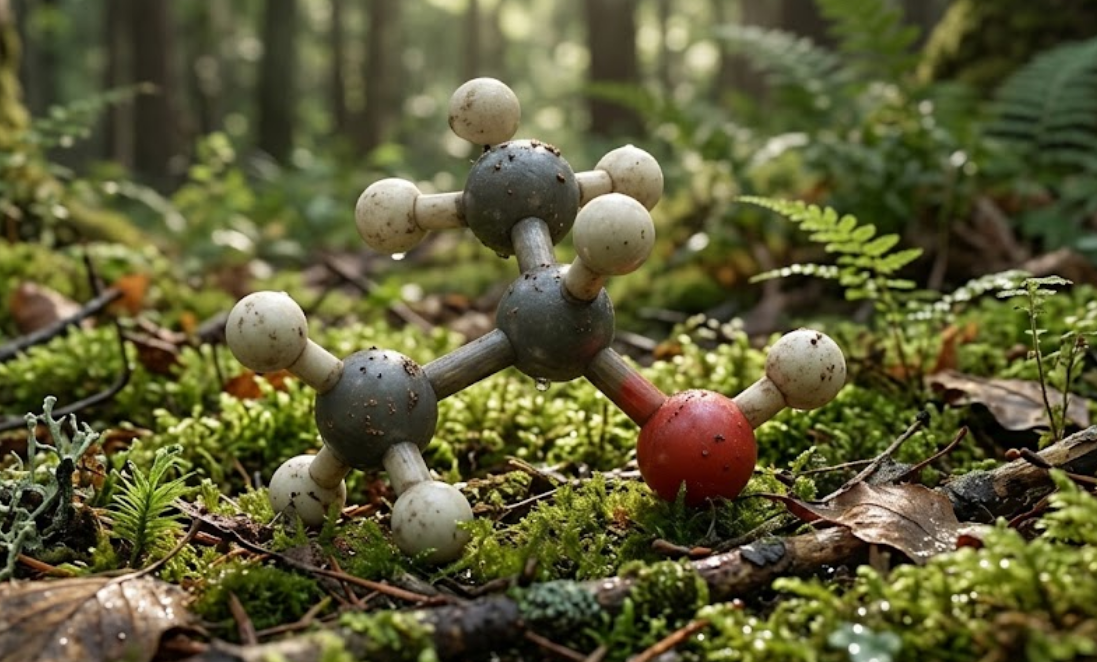
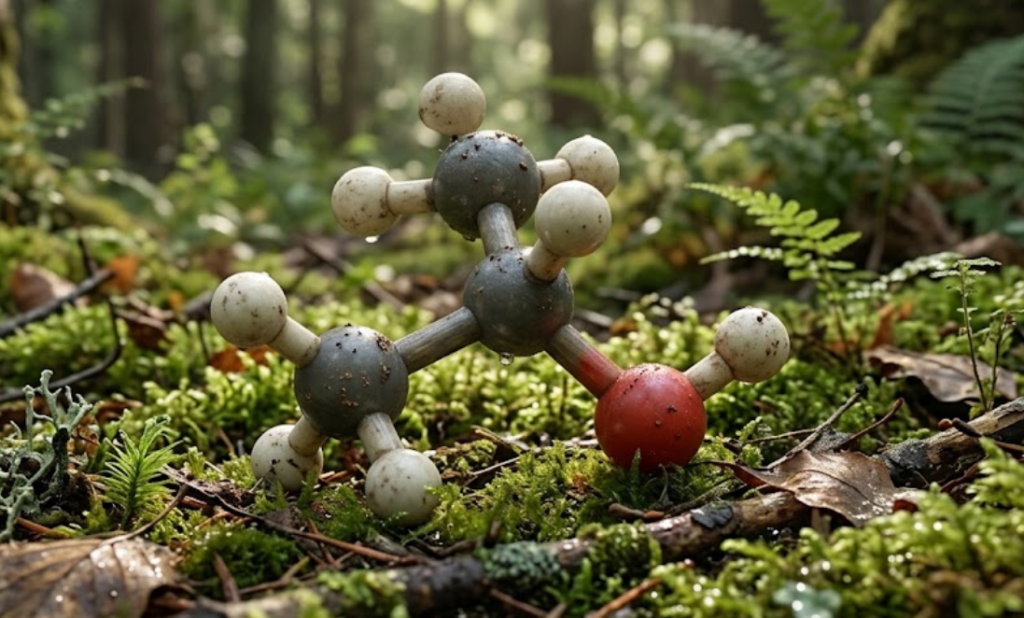
WHY DOES IT WORK? Well, isopropyl molecules are amphipathic, meaning they each have both a polar part and a non-polar part. The tail of the isopropyl molecule can slip between oils and greases, allowing them to separate more easily. It’s also a sanitizing agent, like described above comparing it to hand sanitizer. As a matter of fact, Isopropyl is often recommended for sanitizing garden tools to reduce viral and bacterial spread in commercial settings. Experienced gardeners know that sanitizing between cutting plants can be quite important.
Not 99% isopropyl?
70% isopropyl alcohol is actually much better at disinfecting surfaces than 99% isopropyl alcohol, but you might prefer the 99% product for some uses.
It sounds backward, but it all comes down to evaporation and water content. Pure 99% alcohol evaporates almost instantly, often before it has enough time to penetrate and destroy cell walls of bacteria and viruses. It also instantly coagulates the outside of the bacterial cell, often creating a protective outer shield that leaves the inside of the germ alive.
The 30% water in a 70% solution actually slows down the evaporation rate. This gives the alcohol the exact amount of contact time it needs to breach the cell membrane, enter the microbe, and completely destroy its proteins from the inside out.
You would opt for 99% isopropyl only if your main need is removing excessive grease or buildup. This will evaporate quicker, but it tears away at the grease with some extra power. An easy hack is to buy a 1L bottle of 99%, and mix a small amount with distilled water into a sprayer to produce a 70% solution.
HOW TO USE IT? For simple sanitizing, you can use fill a spray bottle and simply spray the tool, and then allow it to dry. For cleaning off stuck on debris, sap, etc, you can use an old rag, or scrubbing sponge to help work the alcohol into the contaminant. You can also submerge many common tools to soak, but be careful doing this with older tools. Wooden handles are easy to damage.
It is quite common for example to leave snips in a cup of alcohol over night, and then put them in a dishwasher afterward. This usually produces very clean hand tools!
WD-40 (Multi Purpose)
WD-40 is another common one, and it too comes with its own unique double duty! Not only will WD-40 strip away garden grime, it leaves a slight oil coating on your tools that helps resist rust.
WHY DOES IT WORK? Similarly to how isopropyl works, but WD-40 is built on aliphatic hydrocarbons, which are highly non-polar. That means it’s basically a non-polar organic cleaning soup. Being an extremely thin fluid, WD-40 seeps into the microscopic crevices of your tools to maximize protection.
I usually only spray larger tools like shovels with WD-40, since they’re typically made of high-carbon steel. High-carbon steel is more likely to rust, which certainly benefits from this cleaning method.
This bonus comes from the fact that WD40 was actually designed to displace water, preventing rust. But wait, there’s one more bonus! WD-40 can help remove rust too!
HOW TO USE IT? Simply coat your tool, and let it sit on a protected surface like coardboard for a few minutes. Don’t let it drip onto a surface you care a lot about, like a concrete driveway for example. Once the cleaner has had a bit to sit, use some light steel wool, or a similar scrubbing tool to work the cleaner in and around the steel parts.
When you feel like you’ve done a good job, rinse your tool with some water to remove the suspended particles of rust and dirt.
As a final step, spray a final, light coating of WD-40 onto the tool, and work it in with a paper towel, or an old rag. This coating will protect the tool in storage for entire seasons at a time. You can also use this method to protect tiller tines if you have those.
I highly recommend you get some WD-40 for your garden adventures, even if you don’t use it for cleaning. You can use it for wheelbarrows, rusted out hardware, and even as a pre-treat to make shovels more slippery. I’ve seen some people use it on their snow shovels to make the snow slide off like butter!